

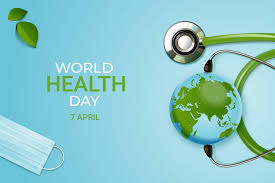
Introduction to Health Awareness
Health awareness is a critical pillar of modern society, focusing on educating individuals and communities about diseases, preventive measures, and healthy lifestyle choices. The primary goal of health awareness is to reduce the burden of preventable illnesses and improve the overall quality of life. Global organizations such as World Health Organization emphasize that awareness and education are among the most powerful tools in public health improvement.
In today’s fast-paced world, people are increasingly exposed to health risks such as sedentary lifestyles, poor diet habits, stress, and environmental pollution. As a result, chronic and infectious diseases are rising globally. Health awareness helps individuals understand these risks and encourages early intervention, which can significantly reduce complications and healthcare costs.
Importance of Health Awareness in Modern Society
Health awareness is not just about knowing diseases; it is about understanding prevention, early detection, and treatment options. Institutions like the Centers for Disease Control and Prevention play a crucial role in spreading accurate information about diseases and public health practices.
One of the most important benefits of health awareness is early diagnosis. Many diseases, such as Hypertension, often show no symptoms in early stages. Without awareness, individuals may remain undiagnosed until serious complications occur, including heart attacks or strokes. Similarly, conditions like Type 2 Diabetes can be managed effectively when detected early through regular screening and lifestyle changes.
Health awareness also reduces misinformation. In the digital era, false health claims spread rapidly online. Educating people through verified sources helps them make informed decisions about their well-being.
Understanding Major Health Issues
Health awareness campaigns often focus on both communicable and non-communicable diseases. These categories represent the majority of global health challenges.
Infectious Diseases and Their Impact
Infectious diseases continue to affect millions worldwide. One of the most significant recent examples is COVID-19, which highlighted the importance of hygiene, vaccination, and global cooperation. The pandemic demonstrated how quickly diseases can spread and how essential public awareness is in controlling outbreaks.
Another serious infectious disease is Tuberculosis. Despite being preventable and treatable, tuberculosis remains a major global health concern, especially in developing countries. Awareness about symptoms such as persistent cough, fever, and weight loss can lead to early diagnosis and treatment.
Non-Communicable Diseases and Lifestyle Risks
Non-communicable diseases (NCDs) are long-term conditions often caused by lifestyle and genetic factors. They are responsible for a large percentage of global deaths and require continuous awareness and management.
Cardiovascular and Metabolic Disorders
One of the leading global health concerns is Cardiovascular Disease. It includes heart attacks, strokes, and other circulatory conditions. Poor diet, lack of exercise, smoking, and stress significantly increase the risk of developing cardiovascular problems.
Similarly, Type 2 Diabetes is becoming increasingly common due to unhealthy eating habits and sedentary lifestyles. Health awareness campaigns emphasize the importance of balanced nutrition, regular physical activity, and weight management to prevent diabetes complications.
Another widespread condition is Hypertension, often referred to as the “silent killer” because it shows minimal symptoms until serious damage occurs. Awareness about regular blood pressure monitoring is essential for early control and prevention.
Mental Health Awareness
Mental health is an equally important aspect of overall well-being. Conditions such as Depression affect millions of people worldwide and can significantly reduce quality of life if left untreated. Mental health awareness encourages individuals to seek help without stigma and promotes understanding within communities.
Stress, anxiety, and depression are often linked to modern lifestyles, academic pressure, work-related stress, and social isolation. Awareness campaigns aim to normalize conversations about mental health and promote access to therapy, counseling, and support systems.
Preventive Healthcare and Early Detection
Preventive healthcare is one of the most effective strategies promoted through health awareness initiatives. It focuses on identifying health risks before they become serious medical conditions.
Screening programs for diseases like Breast Cancer play a crucial role in early detection. When diagnosed early, breast cancer has significantly higher survival rates due to timely treatment options such as surgery, chemotherapy, and radiation therapy.
Vaccination is another cornerstone of preventive healthcare. Immunization programs guided by global health authorities like the World Health Organization have helped eradicate or control many life-threatening diseases.
Regular health check-ups, including blood pressure monitoring, blood sugar tests, and cholesterol screening, are essential for maintaining long-term health.
Role of Nutrition and Physical Activity in Health Awareness
A balanced diet and regular exercise are fundamental to maintaining good health. Nutritional awareness helps individuals understand the importance of consuming fruits, vegetables, whole grains, lean proteins, and healthy fats.
Physical inactivity is a major risk factor for diseases such as Cardiovascular Disease and Type 2 Diabetes. Health awareness programs often encourage at least 150 minutes of moderate physical activity per week, which can significantly improve heart health, metabolism, and mental well-being.
Hydration, sleep quality, and stress management are also essential components of a healthy lifestyle. Awareness in these areas helps individuals make small but impactful changes in daily routines.
Digital Health Awareness in the Modern Age
With the rise of digital platforms, health awareness has expanded beyond hospitals and clinics. Social media, mobile applications, and online health portals provide easy access to medical information. However, this also increases the risk of misinformation.
Organizations like the Centers for Disease Control and Prevention and the World Health Organization actively publish verified information to counter false health claims circulating online.
Digital health tools such as fitness trackers, telemedicine apps, and online consultation platforms have improved accessibility to healthcare services, especially in remote areas. These innovations empower individuals to take control of their health more effectively.
Community Involvement in Health Awareness
Community participation is essential for successful health awareness campaigns. Schools, workplaces, and local organizations play a significant role in spreading health education.
Workshops, seminars, and awareness drives help educate people about diseases like Hypertension and Type 2 Diabetes. Community-based programs also encourage early screening for conditions such as Tuberculosis, especially in high-risk regions.
When communities work together, the impact of health awareness becomes more significant, leading to healthier populations and reduced healthcare burdens.
Conclusion
Health awareness is a powerful tool for improving global well-being. By educating individuals about diseases, prevention strategies, and healthy lifestyles, societies can reduce the burden of both infectious and non-communicable diseases. Organizations such as the World Health Organization and the Centers for Disease Control and Prevention continue to play a vital role in spreading awareness and guiding public health policies.
From chronic conditions like Type 2 Diabetes and Hypertension to serious illnesses like Cardiovascular Disease and Breast Cancer, awareness can save lives through early detection and prevention.
Ultimately, health awareness empowers individuals to make informed choices, adopt healthier habits, and contribute to a stronger and healthier society.
