Author: Maths For Fun Admin

  • Travel Adventures: A Complete Guide to Exploring the World with Purpose

    Travel Adventures: A Complete Guide to Exploring the World with Purpose

    Introduction to Travel Adventures

    Travel adventures are more than just vacations; they are transformative experiences that allow individuals to explore diverse landscapes, cultures, and lifestyles across the globe. From the romantic streets of Paris to the futuristic skyline of Dubai, every destination offers a unique story waiting to be discovered. Modern travelers are increasingly seeking meaningful journeys that combine excitement, learning, and personal growth.

    In today’s interconnected world, travel has become more accessible due to global airlines such as Emirates and Qatar Airways, making it easier than ever to explore continents within hours. Whether you are trekking through mountains, exploring ancient cities, or relaxing on tropical beaches, travel adventures redefine how we experience the world.

    The Importance of Travel Adventures in Modern Life

    Travel adventures provide more than scenic beauty; they contribute to mental well-being, cultural understanding, and personal development. Visiting historical destinations like Rome allows travelers to connect with ancient civilizations, while exploring modern hubs like New York City offers insight into global business and culture.

    Nature-based adventures in places like Switzerland or New Zealand promote physical activity and mental relaxation. Studies in tourism psychology suggest that immersive travel experiences improve creativity, reduce stress, and enhance emotional resilience.

    Top Destinations for Travel Adventures Around the World

    Asia: A Blend of Tradition and Modernity

    Asia remains one of the most dynamic regions for travel adventures. The vibrant city of Tokyo combines cutting-edge technology with deep-rooted traditions. Meanwhile, the tropical paradise of Bali is known for its beaches, temples, and wellness retreats.

    In South Asia, Pakistan offers breathtaking destinations such as Hunza Valley and Skardu, which are famous for their dramatic landscapes and Himalayan views. The cultural richness of Karachi adds a different dimension to travel adventures in the region.

    Europe: History and Scenic Beauty

    Europe is a dream destination for travelers seeking history and architecture. The artistic heritage of Paris, the ancient ruins of Athens, and the scenic canals of Venice make Europe a top choice for cultural exploration.

    The Swiss Alps in Switzerland are perfect for skiing and hiking adventures, while countries like Turkey offer a blend of East and West through cities like Istanbul.

    Middle East: Luxury and Heritage

    The Middle East is known for its luxury travel experiences and ancient heritage sites. The modern marvels of Dubai attract millions of tourists annually. Similarly, the cultural depth of Egypt, home to the pyramids of Giza, provides a journey into ancient history.

    Adventure Activities for Thrill Seekers

    Travel adventures are incomplete without exciting activities that push personal limits. In New Zealand, bungee jumping and skydiving are popular among adrenaline seekers. In Switzerland, skiing and snowboarding dominate the winter sports scene.

    Water-based adventures in Bali include surfing, scuba diving, and snorkeling in coral-rich waters. Meanwhile, desert safaris in United Arab Emirates provide thrilling rides across golden dunes.

    Hiking enthusiasts often explore trekking routes in Hunza Valley and Skardu, where the Karakoram Range offers some of the most stunning mountain views in the world.

    Planning Successful Travel Adventures

    Proper planning is essential for a smooth travel experience. Booking flights through airlines like Turkish Airlines ensures reliable connectivity to global destinations such as Istanbul and beyond.

    Travelers should research visa requirements, weather conditions, and local customs before visiting destinations like Tokyo or Rome. Using digital platforms and travel apps can help streamline itinerary planning and accommodation booking.

    Packing essentials should be tailored to the destination. For example, cold-weather gear is necessary for Switzerland, while light clothing is ideal for tropical destinations like Bali.

    Cultural Experiences During Travel Adventures

    One of the most enriching aspects of travel adventures is cultural immersion. Visiting museums in Paris or historical sites in Athens allows travelers to understand ancient civilizations.

    In Istanbul, travelers can experience a blend of European and Asian cultures through architecture, cuisine, and traditions. Similarly, local markets in Karachi offer authentic insights into South Asian lifestyles.

    Cultural festivals in Egypt and traditional ceremonies in New Zealand further enrich travel experiences by connecting visitors with local heritage.

    Budget-Friendly Travel Adventure Tips

    Travel adventures do not always require luxury budgets. Affordable destinations such as Bali and Istanbul offer cost-effective accommodation and food options.

    Using budget airlines and early bookings through companies like Qatar Airways can help reduce travel expenses. Staying in hostels or guesthouses in cities like Paris or Rome also helps travelers manage costs effectively.

    Local street food in Tokyo and Karachi provides affordable yet authentic culinary experiences.

    Sustainable Travel Adventures

    Sustainable tourism is becoming increasingly important in global travel trends. Travelers visiting fragile ecosystems in New Zealand or mountainous regions in Switzerland are encouraged to follow eco-friendly practices.

    Reducing plastic usage, supporting local businesses, and respecting cultural heritage sites in destinations like Athens and Venice ensures that future generations can also enjoy these travel adventures.

    Conclusion

    Travel adventures offer a gateway to discovering the world in its most authentic form. Whether exploring the modern wonders of Dubai, the historical depth of Rome, or the natural beauty of Hunza Valley, every journey adds value to human experience.

    With global connectivity provided by airlines such as Emirates and Turkish Airlines, exploring the world has never been easier. By embracing responsible travel practices and cultural appreciation, travelers can transform ordinary trips into unforgettable travel adventures that last a lifetime.

  • Tech Innovations: Shaping the Future of the Digital World

    Tech Innovations: Shaping the Future of the Digital World

    Introduction to Tech Innovations

    Technology is evolving at an unprecedented pace, transforming how individuals live, work, and interact with the world. From artificial intelligence to quantum computing, modern tech innovations are redefining industries and creating new opportunities for global progress. Leading organizations such as Apple, Microsoft, and Google are continuously investing in advanced technologies that shape the digital ecosystem. These innovations are not only improving efficiency but also enabling smarter decision-making across multiple sectors.

    The rise of digital transformation has made it essential for businesses to adopt emerging technologies. Companies like Amazon and Meta are leading the way in cloud computing, artificial intelligence, and immersive digital experiences. As a result, tech innovations are now at the core of global economic development.

    Artificial Intelligence and Machine Learning Revolution

    Artificial Intelligence (AI) is one of the most impactful tech innovations of the 21st century. Organizations such as OpenAI have developed advanced AI models that can understand language, generate content, and assist in complex problem-solving. AI systems are increasingly integrated into business operations, healthcare, finance, and education.

    Machine learning, a subset of AI, allows systems to learn from data and improve over time without explicit programming. For instance, Microsoft integrates AI into its cloud platform Azure, enabling businesses to build intelligent applications. Similarly, Google uses AI in search algorithms, translation services, and autonomous systems.

    AI-powered tools such as chatbots, recommendation engines, and predictive analytics are enhancing user experiences across industries. In healthcare, AI is being used to detect diseases early, while in finance, it helps identify fraudulent transactions. The rapid expansion of AI demonstrates its role as a cornerstone of modern tech innovations.

    Cloud Computing and Digital Transformation

    Cloud computing has revolutionized how data is stored, processed, and accessed. Companies like Amazon through Amazon Web Services (AWS) dominate the cloud industry, offering scalable and secure infrastructure for businesses worldwide. Cloud platforms allow organizations to reduce operational costs while increasing flexibility.

    Microsoft Azure and Google Cloud Platform also play significant roles in enabling digital transformation. These platforms support AI integration, big data analytics, and application development, making them essential components of modern tech ecosystems.

    Cloud computing also supports remote work environments, which have become increasingly important in recent years. Businesses can now operate globally without the need for physical infrastructure, thanks to cloud-based collaboration tools and services.

    The Rise of Internet of Things (IoT)

    The Internet of Things (IoT) is another groundbreaking innovation connecting everyday devices to the internet. From smart homes to industrial automation, IoT is making systems more efficient and intelligent. Companies like Apple and Google are heavily involved in developing IoT ecosystems through smart devices and platforms.

    IoT devices collect and exchange data in real time, enabling automation and improved decision-making. For example, smart thermostats, wearable fitness trackers, and connected vehicles are all part of the IoT revolution. In industrial sectors, IoT is used for predictive maintenance and supply chain optimization.

    As IoT continues to grow, security and data privacy remain key concerns. Organizations are investing in advanced encryption and cybersecurity measures to protect connected systems from potential threats.

    Blockchain and Decentralized Technologies

    Blockchain technology is transforming industries by introducing decentralized and transparent systems. Initially developed for cryptocurrencies, blockchain now extends far beyond digital currencies. Companies like IBM are leading innovations in blockchain solutions for supply chain management, healthcare, and finance.

    Blockchain ensures data integrity by recording transactions in secure, immutable blocks. This makes it highly valuable for industries requiring transparency and trust. Financial institutions are increasingly adopting blockchain for faster and more secure transactions.

    In addition to finance, blockchain is being used in identity verification, voting systems, and digital contracts. The decentralized nature of blockchain reduces reliance on intermediaries, making systems more efficient and cost-effective.

    Robotics and Automation in Modern Industry

    Robotics is another major area of tech innovation reshaping manufacturing, healthcare, and logistics. Advanced robotics systems powered by AI are capable of performing complex tasks with high precision. Companies like Tesla are integrating robotics into manufacturing processes to improve efficiency and reduce human error.

    Industrial automation has significantly increased productivity in factories worldwide. Robots are now used for assembly lines, packaging, and quality control. In healthcare, robotic systems assist surgeons in performing delicate operations with greater accuracy.

    Automation also extends to everyday life through smart appliances and service robots. As robotics technology continues to evolve, it is expected to play an even greater role in shaping future industries.

    5G Connectivity and Next-Generation Communication

    The introduction of 5G technology marks a significant milestone in global communication. It offers faster internet speeds, lower latency, and improved connectivity for millions of devices. This technology is essential for supporting advanced innovations such as autonomous vehicles, IoT, and augmented reality.

    Companies like Qualcomm are at the forefront of developing 5G chipsets and infrastructure. 5G networks enable real-time communication and data transfer, which is crucial for modern applications.

    With the expansion of 5G, industries such as entertainment, healthcare, and transportation are experiencing major transformations. High-speed connectivity is enabling innovations that were previously impossible due to network limitations.

    Quantum Computing: The Future Frontier

    Quantum computing represents one of the most advanced and promising tech innovations. Unlike traditional computers, quantum systems use quantum bits (qubits) to perform complex calculations at extremely high speeds. IBM and Google are actively researching quantum computing technologies.

    Quantum computing has the potential to revolutionize fields such as cryptography, drug discovery, and climate modeling. Although still in its early stages, this technology could solve problems that are currently impossible for classical computers.

    As research progresses, quantum computing is expected to become a key driver of innovation in science and technology.

    Cybersecurity in the Age of Innovation

    With rapid digital transformation, cybersecurity has become a critical concern. As tech innovations expand, so do cyber threats. Organizations like Microsoft and IBM are investing heavily in advanced security solutions to protect data and systems.

    Cybersecurity involves protecting networks, devices, and information from unauthorized access and attacks. Artificial intelligence is now being used to detect and respond to cyber threats in real time.

    As businesses become more dependent on digital systems, strong cybersecurity measures are essential to ensure trust and reliability in technological ecosystems.

    Future Trends in Tech Innovations

    The future of tech innovations is expected to be driven by integration and intelligence. Artificial intelligence, IoT, blockchain, and quantum computing will work together to create smarter systems. Companies like Apple, Google, and Amazon will continue to play a major role in shaping this future.

    Emerging technologies such as augmented reality (AR) and virtual reality (VR) are also gaining momentum. These technologies are transforming education, entertainment, and training experiences.

    Sustainability is another important trend, with tech companies focusing on green energy solutions and eco-friendly innovations. The combination of sustainability and technology will define the next era of global development.

    Conclusion

    Tech innovations are fundamentally changing the world, influencing every aspect of human life. From artificial intelligence and cloud computing to robotics and quantum computing, these advancements are driving progress at an extraordinary pace. Organizations such as Microsoft, Google, Apple, and IBM continue to lead this transformation.

    As technology evolves, staying informed and adaptable is essential for individuals and businesses alike. The future promises even greater innovations that will redefine how we interact with the digital world and unlock new possibilities for generations to come.

  • Healthy Lifestyle Guide 2026: Nutrition, Exercise, Sleep, and Long-Term Wellness

    Healthy Lifestyle Guide 2026: Nutrition, Exercise, Sleep, and Long-Term Wellness

    Introduction to a Healthy Lifestyle

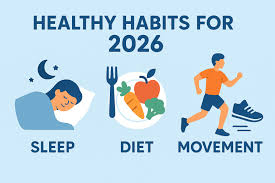
    A healthy lifestyle is a long-term commitment to improving physical, mental, and emotional well-being through daily habits. In modern public health research, institutions such as the World Health Organization emphasize that lifestyle choices are among the most important factors influencing longevity and quality of life. A balanced approach to diet, movement, sleep, and stress management can significantly reduce the risk of chronic conditions and improve overall life satisfaction.

    Organizations like the Centers for Disease Control and Prevention and the American Heart Association consistently highlight that non-communicable diseases are strongly linked to lifestyle patterns rather than genetics alone. This means that everyday choices matter more than many people realize.

    Understanding the Concept of Healthy Living

    Healthy living is not just about avoiding illness; it is about optimizing the body and mind for long-term performance. According to the Mayo Clinic, healthy habits such as balanced nutrition, regular activity, and proper rest can reduce the risk of chronic disease while improving energy levels and mental clarity.

    The academic research from the Harvard T.H. Chan School of Public Health also highlights that sustainable lifestyle habits are more effective than short-term diets or extreme fitness programs. Instead of focusing on temporary changes, individuals should build routines that can be maintained throughout life.

    Nutrition: The Foundation of a Healthy Body

    Nutrition is one of the core pillars of a healthy lifestyle. The scientific field of Nutrition focuses on how food impacts energy production, metabolism, immunity, and disease prevention.

    One of the most widely studied dietary patterns is the Mediterranean Diet, which emphasizes fruits, vegetables, whole grains, legumes, olive oil, and lean proteins. Research suggests that this diet supports heart health and reduces inflammation.

    Poor nutrition is strongly associated with chronic conditions such as Obesity and Type 2 Diabetes. Excess consumption of processed foods, sugar, and unhealthy fats can disrupt metabolic balance and lead to long-term health complications.

    The American Heart Association recommends reducing sodium intake and increasing consumption of nutrient-dense foods such as leafy greens, nuts, and fish. Similarly, guidance from the World Health Organization encourages limiting added sugars and prioritizing whole foods for better health outcomes.

    Hydration also plays a critical role in nutrition. Water supports digestion, temperature regulation, and cellular function. Without adequate hydration, even a well-balanced diet may not function effectively.

    Physical Activity and Movement for a Strong Body

    Physical movement is essential for maintaining cardiovascular health, muscle strength, and mental well-being. The concept of Physical Activity includes all forms of body movement that increase energy expenditure.

    Simple exercises such as Walking are highly effective for beginners and individuals with sedentary lifestyles. More intensive activities like Running improve cardiovascular endurance and lung capacity.

    Structured workouts such as Strength Training help build muscle mass and improve metabolism, while practices like Yoga enhance flexibility, balance, and mental focus.

    The Centers for Disease Control and Prevention recommends regular physical activity to reduce the risk of chronic diseases and improve mental health outcomes. Even moderate activity performed consistently can significantly lower the risk of conditions such as Cardiovascular Disease.

    Sleep and Recovery for Optimal Health

    Sleep is one of the most overlooked components of a healthy lifestyle. Quality sleep allows the body to repair tissues, regulate hormones, and consolidate memory. Poor sleep patterns are linked to reduced immunity, weight gain, and increased stress levels.

    The Mayo Clinic emphasizes the importance of maintaining consistent sleep schedules and creating a restful environment. Factors such as screen exposure, caffeine consumption, and irregular routines can disrupt natural sleep cycles.

    Adequate rest is also critical for mental clarity and emotional stability. Without sufficient sleep, cognitive performance declines, affecting productivity and decision-making.

    Mental Health and Emotional Well-Being

    Mental wellness is a crucial part of a complete healthy lifestyle. The World Health Organization defines mental health as a state of well-being in which individuals realize their abilities, cope with normal stresses, and contribute to their community.

    Organizations such as the American Psychological Association highlight the importance of stress management techniques including mindfulness, therapy, and social connection. Chronic stress can contribute to physical health problems such as high blood pressure and weakened immunity.

    Engaging in regular exercise like Yoga and maintaining strong social relationships can significantly improve emotional resilience. Mental health is deeply connected to physical health, meaning improvements in one area often benefit the other.

    Preventing Chronic Diseases Through Lifestyle Choices

    One of the main benefits of a healthy lifestyle is disease prevention. Poor lifestyle habits contribute significantly to conditions such as Type 2 Diabetes, Obesity, and Cardiovascular Disease.

    The American Heart Association emphasizes that heart disease risk can be reduced through improved diet, regular exercise, and avoiding smoking. Similarly, the Centers for Disease Control and Prevention notes that lifestyle modifications can prevent or delay the onset of many chronic illnesses.

    Preventive healthcare is far more effective and less costly than treating diseases after they develop. By adopting sustainable habits early, individuals can significantly improve long-term health outcomes.

    Building a Sustainable Daily Routine

    Creating a structured daily routine is essential for maintaining consistency in healthy living. A well-balanced day typically includes time for nutrition, physical activity, work, relaxation, and sleep.

    Morning routines that include hydration, light exercise such as Walking, and a nutritious breakfast can set a positive tone for the rest of the day. Midday activity, such as stretching or short walks, helps maintain energy levels and focus.

    Evening routines should prioritize relaxation and reduced screen time to support better sleep quality. Over time, these small habits accumulate into significant health improvements.

    Role of Research and Health Institutions

    Scientific research plays a key role in shaping modern understanding of health. Institutions like the Harvard T.H. Chan School of Public Health continuously publish findings on nutrition, disease prevention, and lifestyle optimization.

    Similarly, the World Health Organization provides global guidelines that help governments and individuals make informed health decisions. These organizations ensure that public health recommendations are based on evidence rather than trends.

    Conclusion

    A healthy lifestyle is built on consistent habits rather than temporary changes. By focusing on balanced nutrition, regular physical activity, quality sleep, and mental well-being, individuals can significantly improve their quality of life.

    Institutions such as the Mayo Clinic and the World Health Organization continue to reinforce the importance of preventive health strategies. With the right approach, anyone can build a sustainable lifestyle that supports long-term wellness and reduces the risk of chronic disease.

    Ultimately, health is not a destination but an ongoing journey shaped by daily choices.

  • Legal Services: A Complete Guide to Modern Legal Support and Solutions

    Legal Services: A Complete Guide to Modern Legal Support and Solutions

    Introduction to Legal Services

    Legal services play a fundamental role in maintaining justice, resolving disputes, and ensuring compliance with laws and regulations in any society. In modern legal systems, individuals, businesses, and government institutions rely heavily on professional legal assistance to navigate complex regulatory frameworks. Institutions such as Supreme Court of Pakistan and Lahore High Court serve as pillars of justice, while legal professionals provide essential services ranging from consultation to litigation and corporate advisory.

    Legal services are not limited to courtroom representation. They also include contract drafting, legal documentation, compliance advisory, intellectual property protection, and dispute resolution. With increasing globalization and digital transformation, the demand for structured legal assistance continues to grow across all sectors.

    Types of Legal Services

    Legal services can be categorized into several major types depending on the nature of the issue and the client’s requirements.

    Corporate Legal Services

    Corporate legal services focus on business-related legal matters such as company formation, mergers and acquisitions, regulatory compliance, and contract management. Businesses often rely on legal frameworks established by regulatory bodies and professional organizations like Pakistan Bar Council to ensure lawful operations.

    Criminal Legal Services

    Criminal legal services involve defending or prosecuting individuals accused of criminal offenses. These services are closely connected to the judicial structure of courts such as Islamabad High Court, where cases involving criminal law are heard and decided according to constitutional provisions.

    Civil Legal Services

    Civil legal services address disputes between individuals or organizations, including property disputes, family matters, contract disagreements, and compensation claims. These cases are often resolved in courts like Federal Shariat Court and other civil jurisdictions, depending on the nature of the dispute.

    Intellectual Property Legal Services

    In today’s knowledge-driven economy, intellectual property law has become increasingly important. Organizations such as World Intellectual Property Organization help regulate global intellectual property standards, while legal professionals assist clients in protecting patents, trademarks, and copyrights.

    Importance of Legal Services in Modern Society

    Legal services are essential for maintaining order, protecting rights, and ensuring fair treatment under the law. They provide individuals and businesses with the tools to resolve conflicts efficiently and lawfully.

    One of the key benefits of legal services is risk mitigation. Businesses, for example, rely on legal experts to ensure compliance with national regulations established by the Government of Pakistan. Without proper legal guidance, organizations risk financial penalties, reputational damage, and operational disruptions.

    Legal services also contribute to social justice by ensuring that individuals have access to fair representation in courts such as Supreme Court of Pakistan. This helps maintain equality before the law and strengthens public trust in the judicial system.

    Legal System Overview in Pakistan

    The legal system in Pakistan is based on a combination of Islamic law, British common law, and constitutional provisions. The judiciary is structured in a hierarchical manner, with the Supreme Court of Pakistan serving as the highest judicial authority.

    Below the Supreme Court are provincial high courts such as the Lahore High Court and the Islamabad High Court, which handle appeals and constitutional matters. Specialized courts, including the Federal Shariat Court, address cases related to Islamic law and constitutional interpretation.

    Legal professionals practicing in Pakistan are regulated by the Pakistan Bar Council, which ensures ethical conduct, licensing, and professional standards for lawyers across the country.

    Key Institutions Supporting Legal Services

    Legal services are strengthened by several national and international institutions that contribute to legal education, regulation, and global collaboration.

    The Pakistan Bar Council plays a crucial role in regulating the legal profession, maintaining standards, and ensuring lawyers adhere to ethical guidelines. Similarly, global organizations such as the International Bar Association provide platforms for legal professionals worldwide to collaborate and share best practices.

    These institutions help improve the quality of legal services, ensuring that clients receive reliable and professional assistance in all areas of law.

    Corporate Legal Services in Detail

    Corporate legal services are among the fastest-growing segments in the legal industry. They involve assisting businesses in managing legal risks, ensuring compliance, and handling complex transactions.

    Companies often depend on legal databases and research platforms like LexisNexis to access case laws, statutes, and legal precedents. These tools help lawyers provide accurate and timely advice to corporate clients.

    Corporate legal services also include drafting shareholder agreements, handling employment disputes, managing intellectual property portfolios, and ensuring compliance with tax regulations and international trade laws.

    Criminal Legal Services and Justice Delivery

    Criminal legal services are vital for ensuring justice and protecting the rights of both the accused and victims. Legal professionals working in this field represent clients in criminal trials, appeals, and bail hearings.

    Courts such as the Islamabad High Court and Supreme Court of Pakistan ensure that justice is delivered in accordance with constitutional principles and due process of law.

    Criminal law also emphasizes the importance of evidence, investigation, and fair trial standards, ensuring that justice is not only done but also seen to be done.

    Civil Litigation and Dispute Resolution

    Civil litigation involves resolving non-criminal disputes between individuals or organizations. These disputes may include property conflicts, contract breaches, and family law matters.

    Many civil cases are heard in high courts such as the Lahore High Court, where judges evaluate evidence and deliver judgments based on legal principles.

    Alternative dispute resolution methods, including arbitration and mediation, are also becoming increasingly popular as they offer faster and more cost-effective solutions compared to traditional court proceedings.

    How to Choose the Right Legal Services

    Selecting the right legal service provider is crucial for achieving favorable outcomes. Clients should consider factors such as experience, specialization, reputation, and regulatory compliance.

    It is also important to ensure that legal professionals are registered with governing bodies like the Pakistan Bar Council, which ensures credibility and adherence to ethical standards.

    Additionally, clients should evaluate whether the legal service provider has experience in handling similar cases and whether they utilize modern legal tools and research platforms such as LexisNexis.

    Role of Technology in Modern Legal Services

    Technology has significantly transformed the legal industry. Digital databases, artificial intelligence tools, and cloud-based case management systems have made legal research and documentation more efficient.

    Platforms like LexisNexis enable lawyers to quickly access legal precedents and case histories, improving accuracy and reducing research time.

    Furthermore, international organizations such as the World Intellectual Property Organization are promoting digital transformation in intellectual property management, making it easier to file and protect patents globally.

    Future of Legal Services

    The future of legal services is expected to be shaped by artificial intelligence, automation, and globalization. Legal tech innovations will continue to streamline processes such as document review, contract analysis, and legal research.

    Institutions like the International Bar Association are actively working toward establishing global standards for legal technology integration and professional ethics in a digital era.

    In countries like Pakistan, judicial reforms and digital court systems supported by the Government of Pakistan are expected to improve access to justice and reduce case backlogs in courts such as the Supreme Court of Pakistan.

    Conclusion

    Legal services are an essential component of modern society, ensuring justice, compliance, and protection of rights across all sectors. From corporate law to criminal defense and civil litigation, legal professionals play a vital role in maintaining order and fairness.

    With strong institutions like the Pakistan Bar Council, judicial authorities such as the Supreme Court of Pakistan, and global organizations like the International Bar Association, the legal system continues to evolve and adapt to modern challenges.

    As technology advances and legal frameworks become more interconnected, legal services will continue to grow in importance, providing essential support for individuals, businesses, and governments worldwide.

  • DIY Renovation: A Complete Guide to Transform Your Home on a Budget

    DIY Renovation: A Complete Guide to Transform Your Home on a Budget

    Introduction to DIY Renovation

    DIY Renovation has become one of the most popular trends among homeowners, renters, and property investors who want to improve living spaces without relying heavily on contractors. With rising construction costs and easy access to online tutorials, many people now prefer to take renovation projects into their own hands. Whether it is upgrading a kitchen, refreshing a bedroom, or redesigning a living room, DIY Renovation allows individuals to express creativity while increasing property value.

    Companies like The Home Depot and Lowe’s have made tools, materials, and renovation guidance widely accessible, empowering beginners and professionals alike. Meanwhile, furniture and interior inspiration from IKEA has also contributed significantly to the rise of affordable DIY home transformations.

    This guide explores everything you need to know about DIY Renovation, including planning, budgeting, tools, safety, design ideas, and common mistakes to avoid.

    Why DIY Renovation is Becoming So Popular

    DIY Renovation is no longer just a hobby; it has become a practical lifestyle choice. One of the main reasons for its popularity is cost savings. Hiring professional contractors can be expensive, while DIY projects allow homeowners to control their budgets more effectively.

    Another reason is customization. Instead of relying on standard designs, DIY enthusiasts can tailor every detail according to their personal taste. From wall colors to furniture placement, everything becomes flexible.

    Social media platforms and home improvement channels have also played a major role in promoting DIY culture. People are constantly sharing transformation videos, renovation hacks, and step-by-step guides, which inspire others to try similar projects.

    Planning Your DIY Renovation Project

    Proper planning is the foundation of every successful DIY Renovation project. Before starting, you must evaluate your space, set clear goals, and define your budget.

    Start by identifying what needs improvement. It could be outdated flooring, poor lighting, damaged walls, or inefficient layout design. Once you know the problem areas, create a renovation checklist.

    Next, set a realistic timeline. DIY projects often take longer than expected, especially for beginners. Allocating extra time helps reduce stress and ensures better results.

    Finally, research materials and tools. Stores like The Home Depot and Lowe’s offer a wide range of renovation supplies, from paint and flooring to plumbing fixtures and electrical components.

    Essential Tools for DIY Renovation

    Having the right tools is critical for any DIY Renovation project. Basic tools include hammers, screwdrivers, measuring tapes, drills, and level meters. However, more advanced projects may require power tools such as electric saws, sanders, and nail guns.

    Brands like Makita, Bosch, and Ryobi are widely used in home improvement projects due to their durability and performance.

    For beginners, it is recommended to start with basic toolkits and gradually upgrade as skills improve. Renting tools from hardware stores can also be a cost-effective option for one-time projects.

    Budgeting for DIY Renovation

    Budget management is one of the most important aspects of DIY Renovation. Without a clear budget, costs can quickly spiral out of control.

    Start by dividing your budget into categories such as materials, tools, décor, and emergency expenses. Experts recommend keeping at least 10–15% of your total budget as a contingency fund for unexpected costs.

    Compare prices across different stores and online platforms before purchasing materials. Retailers like IKEA often provide affordable and stylish furniture solutions that can significantly reduce overall renovation expenses.

    Reusing and repurposing old furniture is another excellent way to stay within budget while maintaining a creative design approach.

    Step-by-Step DIY Renovation Process

    A structured process ensures smooth execution of DIY Renovation projects.

    First, prepare the space by removing furniture and clearing out unnecessary items. This helps you work efficiently and safely.

    Second, handle structural or repair work such as fixing cracks, leaks, or damaged flooring. These foundational improvements are essential before moving on to aesthetics.

    Third, focus on painting and wall treatments. A fresh coat of paint can completely transform the appearance of a room. Neutral colors are often preferred for modern interiors.

    Fourth, install or upgrade fixtures such as lighting, shelves, and cabinets. Proper lighting design can enhance both functionality and ambiance.

    Finally, complete the project with decoration and styling. Add rugs, curtains, and furniture pieces that complement the overall theme.

    Room-by-Room DIY Renovation Ideas

    Different rooms require different renovation approaches.

    In the living room, focus on comfort and aesthetics. Rearranging furniture, adding accent walls, and improving lighting can make a big difference.

    For kitchens, prioritize functionality. Installing modular cabinets from IKEA or upgrading countertops can enhance both usability and appearance.

    Bathrooms require special attention to waterproofing and hygiene. Replacing old tiles, upgrading faucets, and improving ventilation are key improvements.

    Bedrooms should focus on relaxation. Soft lighting, minimal furniture, and calming colors help create a peaceful environment.

    Outdoor spaces can also be transformed through DIY Renovation by adding seating areas, garden lighting, and simple landscaping elements.

    Common Mistakes to Avoid in DIY Renovation

    Many beginners make avoidable mistakes during DIY Renovation projects. One common mistake is poor planning. Starting without a clear roadmap often leads to delays and extra costs.

    Another mistake is underestimating the importance of safety. Using power tools without proper knowledge or skipping protective gear can lead to accidents.

    Choosing low-quality materials to save money can also backfire, as it reduces durability and increases maintenance costs in the long run.

    Ignoring measurements is another frequent issue. Even small errors in measurement can affect the entire design layout.

    Safety Tips for DIY Renovation

    Safety should always be a priority in DIY Renovation projects. Always wear protective gear such as gloves, goggles, and masks when working with tools or chemicals.

    Ensure proper ventilation when painting or using adhesives. Electrical work should be handled carefully, and if necessary, professionals should be consulted.

    Keep tools organized and stored safely after use to prevent accidents, especially in homes with children or pets.

    The Future of DIY Renovation

    The future of DIY Renovation looks promising due to increasing technological advancements and accessibility of materials. Smart home integration, eco-friendly materials, and modular furniture systems are shaping modern renovation trends.

    Companies like The Home Depot and Lowe’s are continuously expanding their product offerings to support DIY enthusiasts with innovative solutions.

    Additionally, brands like Bosch are developing smarter and more efficient tools that make renovation tasks easier for beginners.

    Conclusion

    DIY Renovation is an empowering and cost-effective way to transform living spaces while expressing creativity and individuality. With proper planning, the right tools, and a clear budget, anyone can achieve professional-looking results without hiring expensive contractors.

    Whether you are upgrading a single room or renovating an entire home, DIY Renovation offers endless possibilities. By learning from reliable resources and using quality materials from trusted companies like IKEA, The Home Depot, and Lowe’s, you can turn your vision into reality and significantly enhance your living environment.

  • Fashion Updates 2026: Trends, Industry Shifts, and Global Style Evolution

    Fashion Updates 2026: Trends, Industry Shifts, and Global Style Evolution

    Introduction to Modern Fashion Updates

    Fashion updates in 2026 reflect a rapidly evolving global industry shaped by digital transformation, sustainability demands, and cultural diversity. From luxury houses in Gucci and Prada to fast fashion leaders like Zara and H&M, the fashion ecosystem is undergoing continuous reinvention. Consumers are now more informed, trend-aware, and socially conscious, making fashion updates more dynamic than ever before.

    Digital platforms, social media influencers, and global runway events such as Paris Fashion Week and Milan Fashion Week play a crucial role in shaping what becomes mainstream. These events no longer only showcase clothing; they set the tone for cultural identity and lifestyle expression across the world.

    Global Fashion Capitals Driving Trends

    Fashion updates are heavily influenced by leading fashion capitals including Paris, Milan, New York City, and London. Each city contributes uniquely to global fashion evolution.

    Paris remains the epicenter of haute couture, home to iconic designers and luxury houses. Meanwhile, Milan emphasizes craftsmanship and luxury tailoring. New York City leads in commercial fashion and streetwear innovation, while London is known for experimental and avant-garde fashion movements.

    These cities collectively influence seasonal fashion updates that later trickle down to global retail markets and online fashion platforms.

    Influence of Luxury Fashion Houses

    Luxury fashion houses remain central to fashion updates. Brands such as Chanel, Louis Vuitton, and Dior consistently set global trends through runway presentations and exclusive collections.

    Design heritage plays a major role in shaping modern aesthetics. The legacy of Coco Chanel continues to influence minimalist luxury, while modern designers reinterpret classic silhouettes for contemporary audiences. Similarly, innovation-driven figures like Virgil Abloh have redefined streetwear by merging luxury with urban culture.

    Luxury fashion updates now also emphasize sustainability, with increased use of eco-friendly materials and ethical sourcing practices.

    Streetwear and Casual Fashion Evolution

    Streetwear has become one of the strongest drivers of fashion updates globally. Brands like Nike and Adidas dominate casual and athletic fashion trends, influencing everyday wear across all demographics.

    The rise of sneaker culture, oversized silhouettes, and graphic-heavy apparel reflects the merging of comfort and style. Influencers and celebrities have accelerated this trend, making streetwear a dominant force in global fashion consumption.

    In cities like New York City and Tokyo, street fashion is not just clothing but a lifestyle identity that evolves with music, art, and digital culture.

    Role of Celebrities and Influencers in Fashion Updates

    Celebrities play a crucial role in shaping fashion updates. Figures such as Kendall Jenner and Rihanna significantly influence global fashion trends through red carpet appearances, social media posts, and brand collaborations.

    Influencer culture has further amplified the speed at which fashion updates spread. Platforms like Instagram and TikTok allow trends to go viral within hours, making fashion more accessible and fast-moving than ever before. This digital acceleration has forced both luxury and fast fashion brands to adapt quickly to changing consumer preferences.

    Sustainable Fashion Movement

    One of the most important fashion updates in recent years is the shift toward sustainability. Consumers now demand transparency in production processes, ethical labor practices, and environmentally friendly materials.

    Brands like Patagonia have pioneered sustainable practices, influencing other global fashion companies to follow suit. Recycling fabrics, reducing carbon footprints, and adopting circular fashion models are becoming industry standards.

    Fashion weeks such as London Fashion Week increasingly highlight eco-conscious designers who focus on slow fashion rather than mass production.

    Digital Fashion and Technology Integration

    Technology is reshaping fashion updates through innovations like virtual fitting rooms, AI-driven design tools, and digital fashion shows. Brands are increasingly investing in augmented reality experiences and metaverse fashion collections.

    Retail giants and luxury brands are using AI analytics to predict fashion trends more accurately, reducing overproduction and improving supply chain efficiency. This digital transformation has made fashion more personalized and data-driven.

    Cities like Seoul are emerging as tech-fashion hubs, where innovation and style intersect seamlessly.

    Fast Fashion vs Luxury Fashion Dynamics

    The contrast between fast fashion and luxury fashion remains a key topic in fashion updates. Fast fashion brands like Shein focus on affordability and rapid trend cycles, while luxury brands emphasize craftsmanship, exclusivity, and heritage.

    This dynamic creates a complex ecosystem where trends often originate in luxury fashion weeks and are quickly adapted by fast fashion retailers for mass consumption.

    Seasonal Trends and Consumer Behavior

    Seasonal fashion updates continue to guide consumer purchasing behavior. Spring/summer collections emphasize light fabrics, pastel tones, and breathable designs, while autumn/winter collections focus on layering, textures, and darker palettes.

    Fashion consumers are now more trend-sensitive due to digital exposure, leading to shorter trend cycles and faster wardrobe turnover. This shift has significantly impacted global retail strategies.

    Conclusion: The Future of Fashion Updates

    Fashion updates are no longer limited to seasonal runway shows; they are a continuous global conversation shaped by technology, culture, sustainability, and social influence. From luxury houses like Gucci and Dior to streetwear giants like Nike, the industry continues to evolve rapidly.

    With the growing influence of digital platforms, sustainable innovation, and global cultural exchange, fashion will continue to redefine itself. Future fashion updates will likely become even more personalized, technology-driven, and environmentally responsible, ensuring that style remains a powerful form of global expression.

  • Cinema Trends 2026: The Evolution of Modern Film Culture

    Cinema Trends 2026: The Evolution of Modern Film Culture

    Introduction to Cinema Trends

    Cinema has always reflected society’s cultural, technological, and economic shifts, but in recent years the pace of change has accelerated dramatically. The global film industry is no longer dominated solely by traditional theatrical releases; instead, it is shaped by streaming platforms, digital production tools, international collaboration, and rapidly evolving audience preferences. Platforms such as Netflix, Amazon Prime Video, and Disney have redefined how films are distributed and consumed, while major studios like Warner Bros. Discovery and Paramount Pictures continue to adapt to a hybrid ecosystem of cinema and streaming. Understanding cinema trends today is essential for filmmakers, marketers, and audiences who want to stay ahead in a rapidly transforming entertainment landscape.

    The Rise of Streaming Platforms and Digital Cinema

    One of the most dominant cinema trends is the shift toward streaming-first releases. Platforms like Netflix have invested heavily in original content, producing award-winning films and series that compete directly with traditional studios. Similarly, Amazon Prime Video has expanded its global footprint through original productions and acquisitions, while Disney leverages its intellectual property from Marvel, Pixar, and Star Wars to dominate both streaming and theatrical markets.

    This shift has not eliminated cinemas but rather changed their role. Instead of being the primary distribution channel, theaters now function as premium event spaces. Films are often released simultaneously or shortly after streaming premieres, creating a hybrid release strategy that balances accessibility with exclusivity. The result is a more fragmented but also more flexible viewing ecosystem.

    The Revival of Theatrical Experiences

    Despite the rise of digital platforms, theatrical cinema is far from declining. Instead, it is evolving into a premium experience focused on immersion and spectacle. Technologies like IMAX Corporation and Dolby Cinema are enhancing visual and audio quality, making cinema visits more experiential than ever before.

    Blockbuster films from studios like Warner Bros. Discovery and Paramount Pictures are increasingly designed for large-screen formats, emphasizing spectacle, visual effects, and immersive storytelling. Audiences are more selective, choosing theatrical visits for films that justify the cinema experience, such as action franchises, sci-fi epics, and large-scale fantasy productions.

    Globalization of Cinema: Hollywood, Bollywood, and Beyond

    Cinema trends are no longer defined by a single region. Hollywood remains influential, but global cinema industries are rising rapidly. South Korean cinema gained international recognition through films like Parasite, which won multiple global awards and reshaped perceptions of non-English storytelling.

    Asian cinema industries, including Bollywood and the Korean Wave (Hallyu), are increasingly collaborating with Western studios. This cross-cultural exchange has led to more diverse storytelling, multilingual productions, and global casts. Streaming platforms such as Netflix have played a major role in distributing international content to global audiences, breaking geographical barriers.

    Meanwhile, film institutions like the Cannes Film Festival continue to highlight global cinema excellence, showcasing films from emerging markets and established industries alike. Awards ceremonies such as the Academy Awards also reflect increasing diversity in nominations and winners.

    The Franchise Era and Shared Cinematic Universes

    Modern cinema is heavily driven by franchises and shared universes. One of the most influential examples is the Marvel Cinematic Universe, which has set new standards for interconnected storytelling across films and series. This approach encourages long-term audience engagement and cross-platform viewing.

    Studios like Disney and Warner Bros. Discovery rely heavily on franchise models to reduce financial risk and maximize audience retention. However, this trend has also sparked debates about originality in cinema, as independent and experimental films struggle for visibility in a franchise-dominated market.

    Despite criticism, franchises remain central to box office success, especially in global markets where recognizable intellectual property drives audience turnout.

    Film Festivals and Awards Driving Cinema Trends

    Film festivals continue to play a crucial role in shaping cinema trends. The Cannes Film Festival is one of the most prestigious platforms for debuting innovative films, often influencing global distribution deals and awards season outcomes.

    Similarly, the Academy Awards remains a major benchmark for cinematic excellence, influencing box office performance and streaming popularity. Films that perform well at such events often experience increased global attention, especially when distributed through platforms like Netflix or Amazon Prime Video.

    These festivals and awards not only celebrate artistic achievement but also guide industry investment decisions and audience expectations.

    Technology and Artificial Intelligence in Filmmaking

    Technological innovation is reshaping every stage of film production. Artificial intelligence tools, including those developed by OpenAI, are increasingly used in scriptwriting assistance, visual effects, dubbing, and content recommendation systems. AI-driven editing tools reduce production time and allow filmmakers to experiment with new storytelling techniques.

    Visual effects studios are also leveraging machine learning to create more realistic environments and characters, reducing reliance on expensive physical sets. This democratization of technology allows smaller studios and independent filmmakers to compete with major production houses like Warner Bros. Discovery and Paramount Pictures.

    Audience Behavior and Social Media Influence

    Audience behavior is one of the most rapidly changing aspects of cinema trends. Platforms like TikTok have significantly influenced how audiences discover and discuss films. Short-form video content often drives viral marketing campaigns, especially for trailers, fan edits, and reviews.

    Younger audiences prefer interactive and social viewing experiences, often engaging with content across multiple platforms simultaneously. Streaming services such as Netflix integrate recommendation algorithms that personalize content, further shaping viewing habits.

    Social media has also transformed film marketing. Word-of-mouth now spreads globally within hours, making audience reception more immediate and impactful than ever before.

    The Future of Cinema Trends

    The future of cinema lies in hybridization. The boundary between streaming and theatrical releases will continue to blur, while global collaboration will increase. Studios like Disney and Warner Bros. Discovery will likely continue expanding franchise ecosystems, while streaming giants like Netflix will invest more in global original content.

    Technologies such as virtual reality, augmented reality, and AI-assisted filmmaking will redefine storytelling possibilities. Film festivals like the Cannes Film Festival will remain essential in discovering innovative voices, while award platforms like the Academy Awards will continue shaping industry standards.

    Ultimately, cinema is moving toward a more decentralized, global, and technologically advanced ecosystem where storytelling is no longer limited by geography, budget, or traditional production constraints.

    Conclusion

    Cinema trends today reflect a dynamic intersection of technology, globalization, and audience evolution. From streaming dominance led by Netflix to immersive theatrical experiences powered by IMAX Corporation, the industry is undergoing a profound transformation. The influence of global festivals like the Cannes Film Festival and award systems like the Academy Awards ensures that cinema remains both an art form and a global industry.

    As audiences become more connected and technology continues to evolve, cinema will remain one of the most powerful mediums of storytelling, adapting continuously to reflect the world it represents.

  • Health Awareness: A Complete Guide to Building a Healthier Society

    Health Awareness: A Complete Guide to Building a Healthier Society

    Introduction to Health Awareness

    Health awareness is a critical pillar of modern society, focusing on educating individuals and communities about diseases, preventive measures, and healthy lifestyle choices. The primary goal of health awareness is to reduce the burden of preventable illnesses and improve the overall quality of life. Global organizations such as World Health Organization emphasize that awareness and education are among the most powerful tools in public health improvement.

    In today’s fast-paced world, people are increasingly exposed to health risks such as sedentary lifestyles, poor diet habits, stress, and environmental pollution. As a result, chronic and infectious diseases are rising globally. Health awareness helps individuals understand these risks and encourages early intervention, which can significantly reduce complications and healthcare costs.

    Importance of Health Awareness in Modern Society

    Health awareness is not just about knowing diseases; it is about understanding prevention, early detection, and treatment options. Institutions like the Centers for Disease Control and Prevention play a crucial role in spreading accurate information about diseases and public health practices.

    One of the most important benefits of health awareness is early diagnosis. Many diseases, such as Hypertension, often show no symptoms in early stages. Without awareness, individuals may remain undiagnosed until serious complications occur, including heart attacks or strokes. Similarly, conditions like Type 2 Diabetes can be managed effectively when detected early through regular screening and lifestyle changes.

    Health awareness also reduces misinformation. In the digital era, false health claims spread rapidly online. Educating people through verified sources helps them make informed decisions about their well-being.

    Understanding Major Health Issues

    Health awareness campaigns often focus on both communicable and non-communicable diseases. These categories represent the majority of global health challenges.

    Infectious Diseases and Their Impact

    Infectious diseases continue to affect millions worldwide. One of the most significant recent examples is COVID-19, which highlighted the importance of hygiene, vaccination, and global cooperation. The pandemic demonstrated how quickly diseases can spread and how essential public awareness is in controlling outbreaks.

    Another serious infectious disease is Tuberculosis. Despite being preventable and treatable, tuberculosis remains a major global health concern, especially in developing countries. Awareness about symptoms such as persistent cough, fever, and weight loss can lead to early diagnosis and treatment.

    Non-Communicable Diseases and Lifestyle Risks

    Non-communicable diseases (NCDs) are long-term conditions often caused by lifestyle and genetic factors. They are responsible for a large percentage of global deaths and require continuous awareness and management.

    Cardiovascular and Metabolic Disorders

    One of the leading global health concerns is Cardiovascular Disease. It includes heart attacks, strokes, and other circulatory conditions. Poor diet, lack of exercise, smoking, and stress significantly increase the risk of developing cardiovascular problems.

    Similarly, Type 2 Diabetes is becoming increasingly common due to unhealthy eating habits and sedentary lifestyles. Health awareness campaigns emphasize the importance of balanced nutrition, regular physical activity, and weight management to prevent diabetes complications.

    Another widespread condition is Hypertension, often referred to as the “silent killer” because it shows minimal symptoms until serious damage occurs. Awareness about regular blood pressure monitoring is essential for early control and prevention.

    Mental Health Awareness

    Mental health is an equally important aspect of overall well-being. Conditions such as Depression affect millions of people worldwide and can significantly reduce quality of life if left untreated. Mental health awareness encourages individuals to seek help without stigma and promotes understanding within communities.

    Stress, anxiety, and depression are often linked to modern lifestyles, academic pressure, work-related stress, and social isolation. Awareness campaigns aim to normalize conversations about mental health and promote access to therapy, counseling, and support systems.

    Preventive Healthcare and Early Detection

    Preventive healthcare is one of the most effective strategies promoted through health awareness initiatives. It focuses on identifying health risks before they become serious medical conditions.

    Screening programs for diseases like Breast Cancer play a crucial role in early detection. When diagnosed early, breast cancer has significantly higher survival rates due to timely treatment options such as surgery, chemotherapy, and radiation therapy.

    Vaccination is another cornerstone of preventive healthcare. Immunization programs guided by global health authorities like the World Health Organization have helped eradicate or control many life-threatening diseases.

    Regular health check-ups, including blood pressure monitoring, blood sugar tests, and cholesterol screening, are essential for maintaining long-term health.

    Role of Nutrition and Physical Activity in Health Awareness

    A balanced diet and regular exercise are fundamental to maintaining good health. Nutritional awareness helps individuals understand the importance of consuming fruits, vegetables, whole grains, lean proteins, and healthy fats.

    Physical inactivity is a major risk factor for diseases such as Cardiovascular Disease and Type 2 Diabetes. Health awareness programs often encourage at least 150 minutes of moderate physical activity per week, which can significantly improve heart health, metabolism, and mental well-being.

    Hydration, sleep quality, and stress management are also essential components of a healthy lifestyle. Awareness in these areas helps individuals make small but impactful changes in daily routines.

    Digital Health Awareness in the Modern Age

    With the rise of digital platforms, health awareness has expanded beyond hospitals and clinics. Social media, mobile applications, and online health portals provide easy access to medical information. However, this also increases the risk of misinformation.

    Organizations like the Centers for Disease Control and Prevention and the World Health Organization actively publish verified information to counter false health claims circulating online.

    Digital health tools such as fitness trackers, telemedicine apps, and online consultation platforms have improved accessibility to healthcare services, especially in remote areas. These innovations empower individuals to take control of their health more effectively.

    Community Involvement in Health Awareness

    Community participation is essential for successful health awareness campaigns. Schools, workplaces, and local organizations play a significant role in spreading health education.

    Workshops, seminars, and awareness drives help educate people about diseases like Hypertension and Type 2 Diabetes. Community-based programs also encourage early screening for conditions such as Tuberculosis, especially in high-risk regions.

    When communities work together, the impact of health awareness becomes more significant, leading to healthier populations and reduced healthcare burdens.

    Conclusion

    Health awareness is a powerful tool for improving global well-being. By educating individuals about diseases, prevention strategies, and healthy lifestyles, societies can reduce the burden of both infectious and non-communicable diseases. Organizations such as the World Health Organization and the Centers for Disease Control and Prevention continue to play a vital role in spreading awareness and guiding public health policies.

    From chronic conditions like Type 2 Diabetes and Hypertension to serious illnesses like Cardiovascular Disease and Breast Cancer, awareness can save lives through early detection and prevention.

    Ultimately, health awareness empowers individuals to make informed choices, adopt healthier habits, and contribute to a stronger and healthier society.

  • Learning Resources: A Complete Guide to Modern Education and Skill Development

    Learning Resources: A Complete Guide to Modern Education and Skill Development

    Introduction to Learning Resources

    Learning resources are the foundation of modern education, helping students, professionals, and lifelong learners acquire knowledge efficiently. In today’s digital era, platforms such as Google services, online universities, and open educational systems have transformed how people access information. Whether you are a student in BS (IT), a working professional, or someone exploring new skills, learning resources provide structured pathways for continuous growth.

    The concept of learning resources is no longer limited to textbooks and classrooms. Instead, it includes digital platforms, video lectures, interactive tools, AI-based tutors, and open courseware. Institutions like MIT OpenCourseWare and universities such as Harvard University and Stanford University have played a major role in democratizing education globally.

    Importance of Learning Resources in the Digital Age

    The importance of learning resources has increased significantly with the rise of digital transformation. Students now rely on platforms like Google Classroom to manage coursework and assignments. Professionals use online learning platforms such as LinkedIn Learning to upgrade their skills in business, marketing, and technology.

    One of the key benefits of modern learning resources is accessibility. Learners can access high-quality education from anywhere in the world. For example, courses on Coursera and edX are designed by top universities and organizations, making elite education accessible to everyone.

    Another advantage is flexibility. Unlike traditional classrooms, online platforms like Udemy allow learners to study at their own pace, making it easier for working professionals and students to balance education with other responsibilities.

    Types of Learning Resources Available Today

    Modern learning resources can be categorized into several types based on their format and purpose.

    1. Online Learning Platforms

    Online learning platforms are among the most widely used learning resources today. Platforms such as Coursera, edX, and Udemy offer thousands of courses across multiple disciplines including computer science, business, and personal development.

    These platforms collaborate with universities like Harvard University and Stanford University to provide structured learning experiences.

    2. Video-Based Learning Resources

    Video-based platforms such as YouTube have become essential learning tools. Many educators and institutions upload lectures, tutorials, and walkthroughs for free. This makes it easier for learners to understand complex topics visually.

    3. Language Learning Platforms

    For language acquisition, applications like Duolingo provide gamified learning experiences. These platforms are especially useful for beginners who want to learn new languages in an engaging and interactive way.

    4. Open Educational Resources

    Open educational resources such as MIT OpenCourseWare provide free access to academic materials from world-class institutions. These resources include lecture notes, assignments, and exams from real university courses.

    5. AI-Based Learning Tools

    Artificial intelligence has revolutionized learning. Tools developed by companies like OpenAI help learners get instant explanations, generate study plans, and improve writing and coding skills. AI-powered tools are becoming an essential part of modern education systems.

    Role of Universities in Providing Learning Resources

    Top universities continue to play a critical role in shaping global education. Institutions such as Harvard University and Stanford University not only offer traditional degrees but also contribute to online learning ecosystems through partnerships with platforms like edX.

    These universities provide credibility and academic excellence to online learning content. Their involvement ensures that learners receive high-quality, research-based education aligned with global standards.

    How Learning Resources Improve Career Growth

    Learning resources are directly linked to career advancement. Professionals who regularly update their skills using platforms like LinkedIn Learning and Coursera are more likely to succeed in competitive job markets.

    For IT students, access to coding tutorials, project-based learning, and certification courses can significantly improve employability. Many companies today prioritize skills over traditional degrees, making continuous learning essential.

    In addition, platforms like Udemy provide affordable courses that help individuals gain practical skills in areas such as web development, digital marketing, and cybersecurity.

    Challenges in Using Learning Resources

    Despite their benefits, learning resources also come with challenges. One major issue is information overload. With platforms like YouTube offering unlimited content, learners may struggle to find structured learning paths.

    Another challenge is the quality of content. While platforms such as Coursera and edX maintain high academic standards, some open platforms may include outdated or inaccurate information.

    Self-discipline is also required when using digital learning resources. Without proper motivation, learners may find it difficult to complete courses or maintain consistency.

    Best Practices for Using Learning Resources Effectively

    To maximize the benefits of learning resources, learners should follow structured strategies:

    1. Set clear learning goals before starting any course on platforms like Udemy or Coursera
    2. Use a combination of video, text, and interactive content for better understanding
    3. Take notes and practice regularly to reinforce concepts
    4. Use AI tools developed by OpenAI for clarification and study support
    5. Follow structured academic materials from institutions like MIT OpenCourseWare

    By applying these methods, learners can significantly improve retention and practical understanding.

    Future of Learning Resources

    The future of learning resources is highly digital and AI-driven. Companies like Google and OpenAI are continuously developing smarter educational tools that personalize learning experiences.

    In the coming years, we can expect more integration of artificial intelligence, virtual reality, and adaptive learning systems. Platforms like Coursera and edX are likely to evolve further by offering more immersive and interactive learning environments.

    Universities such as Stanford University will continue to collaborate with tech companies to shape the future of education.

    Conclusion

    Learning resources have transformed education from a traditional classroom-based system into a global, digital, and flexible learning ecosystem. Platforms like Coursera, Udemy, and edX, along with institutions such as Harvard University and MIT OpenCourseWare, have made quality education accessible to everyone.

    With the rise of AI tools from companies like OpenAI and digital ecosystems powered by Google, the future of learning is more promising than ever. By effectively using these learning resources, individuals can continuously upgrade their skills and stay competitive in an evolving world.

  • Business Ideas: A Complete Guide to Starting Profitable Ventures in 2026

    Business Ideas: A Complete Guide to Starting Profitable Ventures in 2026

    Introduction to Business Ideas and Modern Entrepreneurship

    In today’s fast-changing digital economy, exploring the right Business Ideas is more important than ever. With the rise of global platforms such as Amazon, Shopify, and Google, individuals now have more opportunities to build scalable businesses from anywhere in the world.

    Whether you are a student, freelancer, or aspiring entrepreneur, the demand for innovative Business Ideas is growing rapidly. Digital transformation, remote work culture, and AI-powered tools are reshaping how businesses are created and operated. Platforms like Microsoft and Apple are further enabling entrepreneurs with tools, apps, and ecosystems to build modern ventures.

    This guide explores profitable, practical, and scalable Business Ideas that can help you start your entrepreneurial journey successfully.

    Why Business Ideas Matter in Today’s Economy

    The global economy is no longer limited to physical stores or traditional offices. Instead, digital ecosystems dominate most industries. Strong Business Ideas can help you:

    • Build passive income streams
    • Achieve financial independence
    • Scale globally with minimal investment
    • Work remotely from anywhere
    • Leverage digital tools and automation

    Companies like Meta have shown how digital-first business models can scale to billions of users. Similarly, platforms such as YouTube allow individuals to monetize content globally without traditional barriers.

    Understanding modern Business Ideas is the first step toward building long-term success.

    Online Business Ideas for Beginners

    E-Commerce Store Development

    One of the most popular Business Ideas today is starting an e-commerce store. With platforms like Shopify and marketplaces like Amazon, anyone can launch an online store without technical expertise.

    You can sell:

    • Fashion products
    • Digital goods
    • Health supplements
    • Home accessories

    The key is to identify a niche market and use data-driven marketing strategies powered by tools like Google.

    Freelancing Services

    Freelancing is one of the most accessible Business Ideas for beginners. Platforms like Upwork and Fiverr allow individuals to offer services such as:

    • Graphic design
    • Content writing
    • SEO services
    • Web development

    Freelancers can scale their income by building personal brands and using automation tools from Microsoft.

    Digital Marketing Business Ideas

    SEO Agency

    Search engine optimization is a high-demand service. Since companies want visibility on Google, SEO agencies are becoming highly profitable.

    You can offer:

    • Keyword research
    • On-page optimization
    • Link building
    • Technical SEO audits

    With your SEO experience, this is one of the most scalable Business Ideas you can start with low investment.

    Social Media Management

    With billions of users on platforms like Meta, businesses need social media experts to manage engagement and branding.

    Services include:

    • Content creation
    • Paid ad campaigns
    • Audience engagement
    • Analytics tracking

    This is one of the fastest-growing Business Ideas in the digital economy.

    Content Creation-Based Business Ideas

    YouTube Channel Growth

    Video content is dominating the internet, and YouTube is one of the most powerful platforms for monetization.

    Creators earn through:

    • Ad revenue
    • Sponsorships
    • Affiliate marketing
    • Product placements

    Starting a niche channel is one of the most scalable Business Ideas for long-term income.

    Blogging and Affiliate Marketing

    Blogging remains a strong digital asset-building strategy. With proper SEO and keyword targeting, blogs can generate passive income through affiliate programs and ads.

    You can promote tools from companies like Amazon and earn commissions through product recommendations.

    Tech-Based Business Ideas

    App Development

    Mobile apps are in high demand due to increasing smartphone usage. Platforms like Apple and Google provide ecosystems where developers can publish apps globally.

    Popular app ideas include:

    • Productivity tools
    • Fitness trackers
    • Educational apps
    • Finance management apps

    SaaS Products

    Software-as-a-Service (SaaS) is one of the most profitable Business Ideas today. Companies like Microsoft have proven the power of subscription-based software models.

    You can build SaaS tools for:

    • Marketing automation
    • CRM systems
    • Project management
    • AI-based analytics

    Local and Small Business Ideas

    Food and Beverage Business

    Small food businesses remain highly profitable. Whether it’s a café, bakery, or delivery kitchen, food-related Business Ideas always have strong demand.

    You can also use platforms like Uber to integrate delivery services and expand your reach.

    Retail and Reselling

    Retail businesses are evolving through hybrid models combining offline and online sales. Using marketplaces like Amazon, resellers can reach global audiences.

    This includes:

    • Thrift stores
    • Branded product reselling
    • Dropshipping stores

    AI-Powered Business Ideas

    Artificial intelligence is transforming industries globally. Companies like Google and Microsoft are leading this revolution.

    AI-based Business Ideas include:

    • Chatbot development
    • AI content generation services
    • Automation tools for businesses
    • Predictive analytics solutions

    These ideas are highly scalable and future-proof.

    How to Choose the Right Business Idea

    Choosing the right Business Ideas depends on several factors:

    • Your skills and expertise
    • Initial investment capacity
    • Market demand
    • Competition level
    • Long-term scalability

    Research tools from Google can help validate demand before launching any venture.

    Final Thoughts on Business Ideas

    The world of entrepreneurship is expanding rapidly, and the right Business Ideas can completely transform your financial future. Whether you choose freelancing, e-commerce, SaaS, or content creation, the key is consistency and adaptability.

    With the support of global platforms like Amazon, Shopify, and Microsoft, building a successful business is more accessible than ever before.

    Start small, validate your idea, and scale strategically. The future of Business Ideas belongs to those who take action today.