

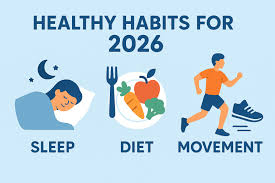
Introduction to a Healthy Lifestyle
A healthy lifestyle is a long-term commitment to improving physical, mental, and emotional well-being through daily habits. In modern public health research, institutions such as the World Health Organization emphasize that lifestyle choices are among the most important factors influencing longevity and quality of life. A balanced approach to diet, movement, sleep, and stress management can significantly reduce the risk of chronic conditions and improve overall life satisfaction.
Organizations like the Centers for Disease Control and Prevention and the American Heart Association consistently highlight that non-communicable diseases are strongly linked to lifestyle patterns rather than genetics alone. This means that everyday choices matter more than many people realize.
Understanding the Concept of Healthy Living
Healthy living is not just about avoiding illness; it is about optimizing the body and mind for long-term performance. According to the Mayo Clinic, healthy habits such as balanced nutrition, regular activity, and proper rest can reduce the risk of chronic disease while improving energy levels and mental clarity.
The academic research from the Harvard T.H. Chan School of Public Health also highlights that sustainable lifestyle habits are more effective than short-term diets or extreme fitness programs. Instead of focusing on temporary changes, individuals should build routines that can be maintained throughout life.
Nutrition: The Foundation of a Healthy Body
Nutrition is one of the core pillars of a healthy lifestyle. The scientific field of Nutrition focuses on how food impacts energy production, metabolism, immunity, and disease prevention.
One of the most widely studied dietary patterns is the Mediterranean Diet, which emphasizes fruits, vegetables, whole grains, legumes, olive oil, and lean proteins. Research suggests that this diet supports heart health and reduces inflammation.
Poor nutrition is strongly associated with chronic conditions such as Obesity and Type 2 Diabetes. Excess consumption of processed foods, sugar, and unhealthy fats can disrupt metabolic balance and lead to long-term health complications.
The American Heart Association recommends reducing sodium intake and increasing consumption of nutrient-dense foods such as leafy greens, nuts, and fish. Similarly, guidance from the World Health Organization encourages limiting added sugars and prioritizing whole foods for better health outcomes.
Hydration also plays a critical role in nutrition. Water supports digestion, temperature regulation, and cellular function. Without adequate hydration, even a well-balanced diet may not function effectively.
Physical Activity and Movement for a Strong Body
Physical movement is essential for maintaining cardiovascular health, muscle strength, and mental well-being. The concept of Physical Activity includes all forms of body movement that increase energy expenditure.
Simple exercises such as Walking are highly effective for beginners and individuals with sedentary lifestyles. More intensive activities like Running improve cardiovascular endurance and lung capacity.
Structured workouts such as Strength Training help build muscle mass and improve metabolism, while practices like Yoga enhance flexibility, balance, and mental focus.
The Centers for Disease Control and Prevention recommends regular physical activity to reduce the risk of chronic diseases and improve mental health outcomes. Even moderate activity performed consistently can significantly lower the risk of conditions such as Cardiovascular Disease.
Sleep and Recovery for Optimal Health
Sleep is one of the most overlooked components of a healthy lifestyle. Quality sleep allows the body to repair tissues, regulate hormones, and consolidate memory. Poor sleep patterns are linked to reduced immunity, weight gain, and increased stress levels.
The Mayo Clinic emphasizes the importance of maintaining consistent sleep schedules and creating a restful environment. Factors such as screen exposure, caffeine consumption, and irregular routines can disrupt natural sleep cycles.
Adequate rest is also critical for mental clarity and emotional stability. Without sufficient sleep, cognitive performance declines, affecting productivity and decision-making.
Mental Health and Emotional Well-Being
Mental wellness is a crucial part of a complete healthy lifestyle. The World Health Organization defines mental health as a state of well-being in which individuals realize their abilities, cope with normal stresses, and contribute to their community.
Organizations such as the American Psychological Association highlight the importance of stress management techniques including mindfulness, therapy, and social connection. Chronic stress can contribute to physical health problems such as high blood pressure and weakened immunity.
Engaging in regular exercise like Yoga and maintaining strong social relationships can significantly improve emotional resilience. Mental health is deeply connected to physical health, meaning improvements in one area often benefit the other.
Preventing Chronic Diseases Through Lifestyle Choices
One of the main benefits of a healthy lifestyle is disease prevention. Poor lifestyle habits contribute significantly to conditions such as Type 2 Diabetes, Obesity, and Cardiovascular Disease.
The American Heart Association emphasizes that heart disease risk can be reduced through improved diet, regular exercise, and avoiding smoking. Similarly, the Centers for Disease Control and Prevention notes that lifestyle modifications can prevent or delay the onset of many chronic illnesses.
Preventive healthcare is far more effective and less costly than treating diseases after they develop. By adopting sustainable habits early, individuals can significantly improve long-term health outcomes.
Building a Sustainable Daily Routine
Creating a structured daily routine is essential for maintaining consistency in healthy living. A well-balanced day typically includes time for nutrition, physical activity, work, relaxation, and sleep.
Morning routines that include hydration, light exercise such as Walking, and a nutritious breakfast can set a positive tone for the rest of the day. Midday activity, such as stretching or short walks, helps maintain energy levels and focus.
Evening routines should prioritize relaxation and reduced screen time to support better sleep quality. Over time, these small habits accumulate into significant health improvements.
Role of Research and Health Institutions
Scientific research plays a key role in shaping modern understanding of health. Institutions like the Harvard T.H. Chan School of Public Health continuously publish findings on nutrition, disease prevention, and lifestyle optimization.
Similarly, the World Health Organization provides global guidelines that help governments and individuals make informed health decisions. These organizations ensure that public health recommendations are based on evidence rather than trends.
Conclusion
A healthy lifestyle is built on consistent habits rather than temporary changes. By focusing on balanced nutrition, regular physical activity, quality sleep, and mental well-being, individuals can significantly improve their quality of life.
Institutions such as the Mayo Clinic and the World Health Organization continue to reinforce the importance of preventive health strategies. With the right approach, anyone can build a sustainable lifestyle that supports long-term wellness and reduces the risk of chronic disease.
Ultimately, health is not a destination but an ongoing journey shaped by daily choices.
